


Horizontally paper tubes drying machine for extra-long paper pipes, Dryfree have rich experience for horizontally paper core drying. In process of paper tube processing, the conventional processing process is to keep paper tube in range of 1-2 meters. Which is not only easy to process, but also easy to dry, store and transfer. However, a large number of short paper tubes with 2 heads of cutting waste will increase cost of paper tubes.
In order to further reduce costs, more and more paper tube factories will make the size of paper tubes longer and longer. And the longest paper tubes can currently reach 9-10 meters. The increase in the length of paper tubes, although it reduces waste and costs, raises the requirements for warehouses, drying, and transfer to a new level.
The ultra-long paper tube not only has higher requirements for the strength of the paper, but also has higher requirements for the uniformity of glue application.
9 meter paper tubes, according to specific application scenarios (such as textile, chemical, etc.), but the core parameters usually include inner diameter, wall thickness, straightness, compressive strength, etc., and the following are the key indicators:
Core technical parameters
Inner diameter deviation: ±0.2mm (≤100mm) or ±0.1mm (≤100mm), detect with 0.01mm precision vernier caliper.
Wall thickness deviation: ±0.4mm (≤10mm) or ±0.3mm (≤10mm), detect with 0.01mm precision vernier caliper.
Length deviation: ±1.0mm (250-760mm) or ±0.5mm (250-760mm), detect with a 0.5mm precision steel tape measure.
Moisture content: 6.0%-12.0% (Class A) or 6.0%-10.0% (Class B), which needs to be testing by a rapid moisture analyzer
Radial compressive strength: ≥2.5kN/m (100mm specimen) or ≥3.5kN/m (100mm specimen), which needs to be testing by an electronic compression tester (60mm/min loading rate).
Raw material requirements
Yarn tube paper: quantitative 65-145g/m², sizing degree ≥ 1.25mm, thickness 0.1-0.2mm, need to withstand lathe processing stress
Class B paper tubes: additional epoxy coating is requiring, with a coating thickness of 5-10μm
Construction process
Winding parameters: spiral coil angle 30°-45°, lap amount 1.5-2.5 times wall thickness, main pressure roller pressure 0.3-0.5MPa, auxiliary pressure pressure 0.2-0.3MPa
Adhesive: polyvinyl acetate emulsion, solid content ≥45%, pH value 6.5-7.5, coating amount 8-12g/m², peel strength ≥ 15N/15mm.
Performance testing:
Drop test: 1.5m height vertical drop, no damage or obvious deformation
Stacking test: 3 layers stacked (24h), the radial deformation of the bottom layer ≤ 3%
Storage & Transportation
Storage conditions: temperature 15-25°C, humidity ≤65%, ≥ from the ground 150mm, distance from the wall ≥ 500mm
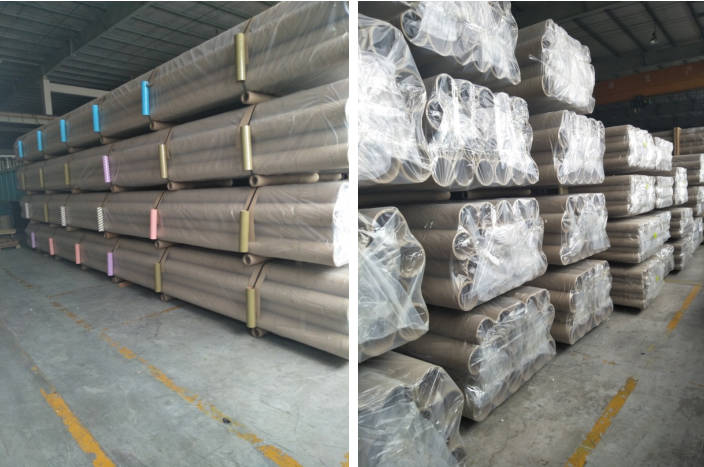
Stacking height: Class A ≤ 1.5m (10 layers), Class B ≤ 1.0m (6 layers),
Other scenario adaptations
Textile industry: paper tubes with an inner diameter of 3cm and a wall thickness of 2mm are commonly used, and the surface smoonthly to avoid fabric stuttering.
FDY paper tube: straight end inner diameter 94-125mm, curled end inner diameter ≥ straight edge, special adhesive formula required
After the extra-long paper tube is ready, put into room temperature for several hours, in this process. so that the glue penetrates evenly into the paper and gradually achieves stable bonding and curing.
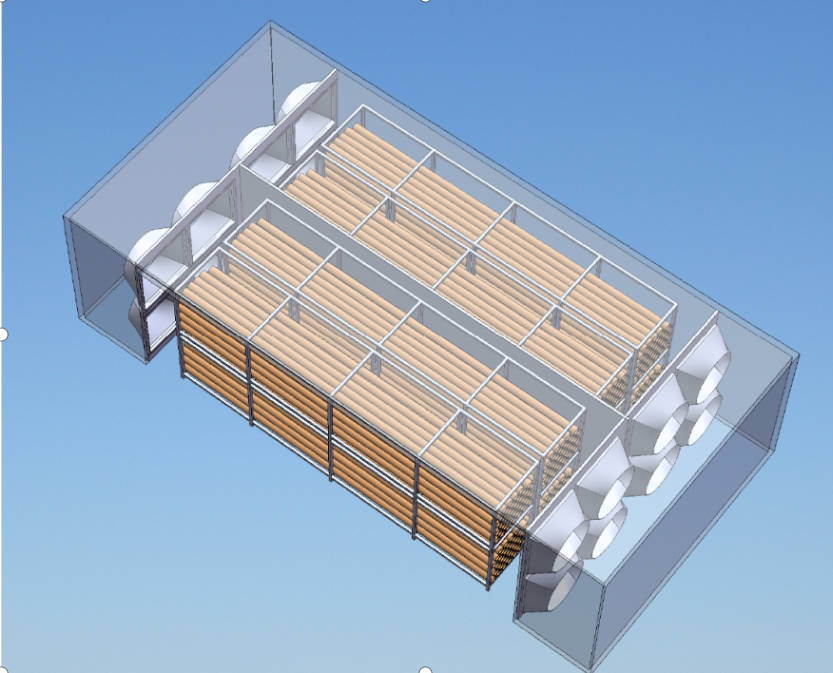
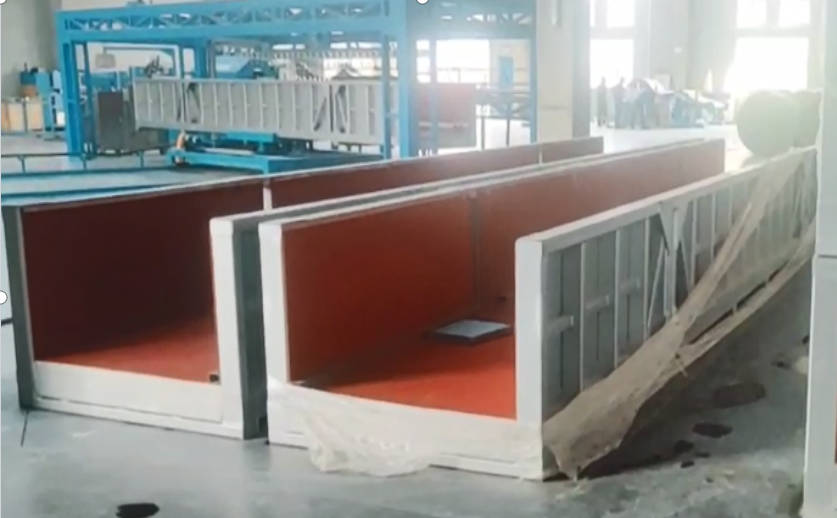
Ultra-long paper tubes have relatively high requirements for placing platforms , or material frames in placement , transfer, drying, warehouse and other links.
The common extra-long paper tube placement and drying material frame are showing in the figure below
Horizontal conveyor belt platform
Material frame method
Horizontally paper tubes Drying process:
- Place paper tube in the drying field, pay attention to direction of paper tube should be consistent with wind direction of fan, so that the hot air can flow smoothly and ensure that the inner and outer surfaces of the paper tube can contact the hot air.
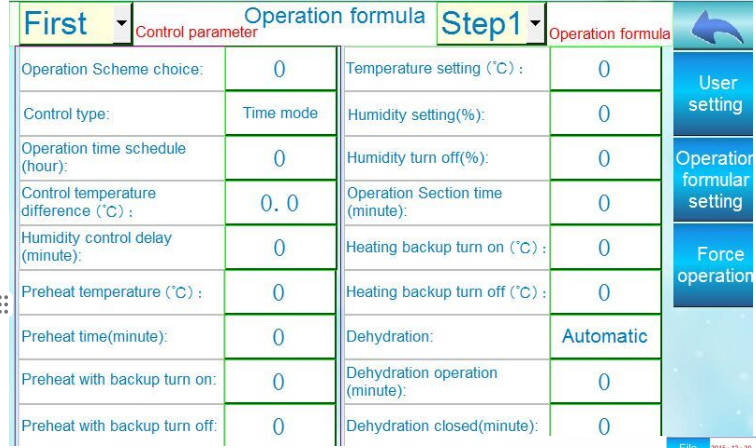
2. Set the parameters for drying.
3. Start the drying equipment and circulation fan to start drying.
During the drying process, the drying air can be turned on at any time for random inspection to verify the drying condition of the paper tube and whether the drying is uniform.
4. After drying is completed, the drying equipment is turned off, and the circulation fan continues to start for a period of time, and the dried paper tubes are slowly cooled to room temperature to avoid the paper tubes with too high temperature being directly exposed to room temperature and deformation.
After the dried paper tubes are packaged with anti-moisture reflux, they are placed in the warehouse and wait for sale !
Horizontally paper tubes drying machine Notes:
The stacking of paper tubes before drying should strictly control the height and density of stacking
The stacking of paper tubes should match the position of the fan in the drying room to ensure that the flow direction of hot air can smoothly pass through the inner and outer walls of the paper tubes to achieve the purpose of uniform drying
The glue used in paper tubes is corrosive to a certain extent, hot air must be treating with anti-corrosion.
The drying of ultra-long paper tubes has relatively high requirements for the wind force and air pressure of the fan, to ensure that the fan wind can penetrate the entire paper tube, to ensure that the wind penetrates the entire paper tube at the same time, but also to ensure the uniformity of drying, so the fan is professionally arranged in the drying room.
There are several situations that cause the deformation of paper tubes:
Abnormal Paper Moisture Content: Too high or too low a moisture content can cause paper tube to shrink or expand
Improper Glue Handling: Abnormal precipitation, delamination, or drying speed of paper tube glue can cause deformation
Moisture or high temperature: Paper tubes must be in a ventilated and dry place. And wooden pallets should be in the rainy season to avoid stacking too high (recommended 6-7 layers)
External extrusion: avoid heavy pressure when transporting or stacking. And strengthen the material strength when the paper tube is not hard
Winding process defects: Uneven spiral or parallel winding angles can lead to deformation.


